The Cultural Roots of Famous Jamaican Food
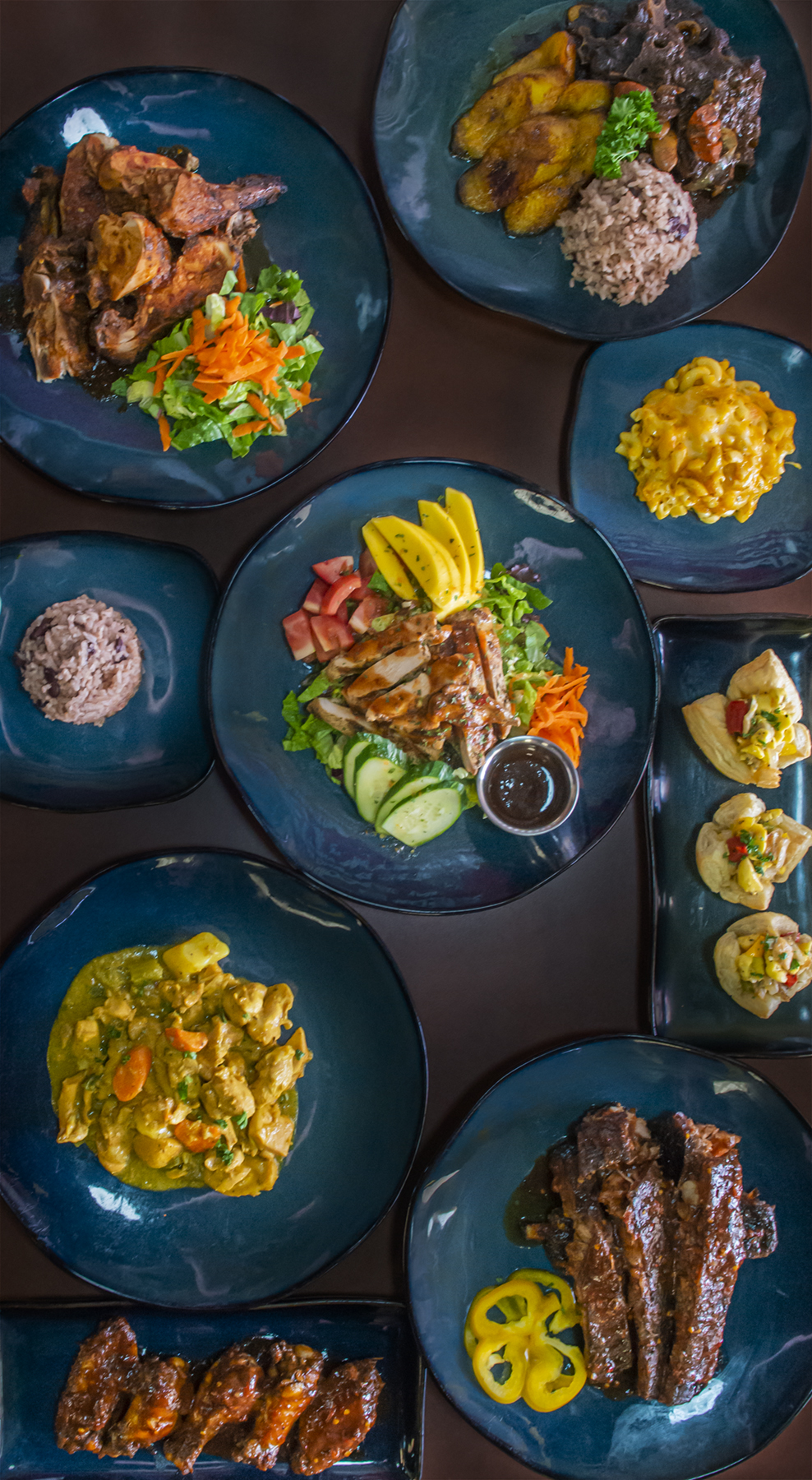
Jamaican food carries history in a way that few cuisines do. You taste it in the smoke rising off a jerk pan, in the comforting heft of a Sunday plate of rice and peas, in the sharp edge of escovitch vinegar, and in the deep, almost earthy warmth of a good curry goat. None of these dishes appeared by accident. They came from movement, survival, adaptation, scarcity, celebration, trade, and memory.
To understand why Jamaican food tastes the way it does, it helps to think of the island not as a sealed culinary tradition, but as a meeting ground. Indigenous knowledge, African cooking methods, European colonial influence, Indian indentureship, Chinese migration, Middle Eastern trading networks, and the practical logic of island life all shaped the table. What emerged was not a patchwork in the weak sense of the word. It became something confident and whole, a cuisine with a clear voice.
That voice is bold, but it is also disciplined. Jamaican cooks know how to balance fire with sweetness, acid with starch, and richness with herbs. Many famous dishes that seem straightforward at first glance are built on centuries of exchange. A plate of ackee and saltfish, for example, is not just breakfast. It is the story of an African fruit meeting preserved Atlantic cod under British colonial rule, then being made fully Jamaican through seasoning, technique, and habit.
A cuisine shaped by crossing oceans
Before the arrival of Europeans, the island’s Indigenous Taíno people had already established foodways suited to the climate and terrain. They cultivated cassava, maize, peppers, and sweet potatoes, and they used methods such as barbacoa, a form of slow cooking or smoking meat over a raised wooden framework. That word and practice matter because the roots of modern jerk cooking are often discussed through African marination and seasoning traditions, but the Indigenous contribution to smoke-cooking on the island is just as important.
Spanish colonization began in the late 15th century, followed by British control in the 17th century. With empire came sugar plantations, forced labor, and the mass transport of enslaved Africans. This was one of the great human catastrophes of the Atlantic world, and Jamaican cuisine cannot be honestly discussed without acknowledging that many of its foundations were laid under conditions of brutality. Yet it was also within enslaved communities that some of the most lasting culinary knowledge was preserved and transformed. People brought memory with them, even when they were stripped of almost everything else. Cooking techniques, ideas about seasoning, one-pot meals, starchy staples, greens, and the use of off-cuts all endured and evolved.
Later, after emancipation, indentured laborers from India came to Jamaica, followed by migrants from China and the Middle East. They brought spices, habits, and ingredients that entered local cooking in practical rather than abstract ways. Turmeric and cumin found a home in Jamaican curry powders. Roti became localized. Soy sauce entered some kitchens. New vegetables, methods of frying, pickling, preserving, and market trading all left marks.
When people speak casually about fusion, they often mean novelty. Jamaican food is something different. It is the long result of coexistence, conflict, improvisation, and repetition.
Jerk, and the memory of resistance
No dish is more globally identified with Jamaica than jerk. Too often, it gets reduced to a flavor profile, spicy grilled chicken with a bit of smoke. That misses the cultural depth of it.
Jerk cooking is closely tied to the Maroons, communities formed by escaped enslaved Africans who established settlements in Jamaica’s interior, especially in the mountainous regions. They developed ways of preserving and cooking meat that suited both mobility and concealment. Seasoning meat heavily with pimento, Scotch bonnet, thyme, scallion, and other aromatics did more than create flavor. Slow cooking over pimento wood, often with the meat covered, allowed for control, preservation, and a distinct smokiness.
The pimento tree, known elsewhere as allspice, is central here. Its wood and berries give jerk much of its signature perfume, warm, peppery, clove-like, but not sweet in the way many non-Jamaican versions assume. Real jerk has depth before heat. Scotch bonnet is important, but if heat bulldozes the rest of the seasoning, the balance is wrong.
There is also a practical side to authentic jerk that anyone who has spent time near a proper roadside jerk pit notices quickly. The texture matters as much as the spice. The outer surface should darken and char in places, while the inside stays juicy. The smoke should cling to the meat without turning bitter. That takes patience and fire management. It is not simply a matter of applying a bottled marinade and baking chicken.
What makes jerk culturally significant is that it stands at the intersection of Indigenous technique, African survival knowledge, and Jamaican ecology. It is famous because it tastes powerful. It is important because it tells a story of resistance.
Ackee and saltfish, a national dish born from empire
Ackee and saltfish is one of the clearest examples of Jamaica turning historical disruption into identity. Ackee originated in West Africa and was brought to the Caribbean during the era of the transatlantic slave trade. Saltfish, usually salted cod, came through colonial trade networks, especially from the North Atlantic. Salted fish was cheap, durable, and practical for plantation economies. It lasted in heat and traveled well.
On paper, these two ingredients might look like an unlikely pair. On the plate, they make perfect sense. Ackee, when properly cooked, becomes soft and rich, almost buttery, with a texture people often compare to scrambled eggs, though that comparison never fully captures it. Saltfish brings salinity, firmness, and depth. Add onion, tomato, scallion, thyme, Scotch bonnet, and black pepper, and the dish becomes both hearty and bright.
Its cultural meaning comes partly from class history. Saltfish was once associated with necessity, not luxury. Like many iconic dishes around the world, it gained prestige not because it started as elite food, but because people made it delicious, then indispensable. Today it appears everywhere from modest breakfast shops to high-end hotel buffets, though the best versions are often still the least showy. A cook who knows exactly when ackee is tender but still intact, and how much salt to leave in the fish after soaking, shows more skill than someone relying on garnish.
Ackee itself carries another layer of knowledge. It must be handled correctly. The fruit is only safe to eat when naturally opened and properly cleaned. That fact has kept traditional knowledge alive. You cannot rush it. Elders teach younger cooks what ripe ackee looks like, how to remove the toxic parts, how gently it must be simmered. That kind of kitchen instruction does not show up in ingredient lists, but it is part of the cultural root of the dish.
Rice and peas, the logic of the Jamaican table
Few plates of Jamaican food feel complete without rice and peas. Visitors are sometimes surprised to learn that the “peas” are usually beans, often red kidney beans or gungo peas, depending on the dish, season, or household preference. The naming itself reflects the way language settles into local use and stays there.
Rice and peas tells a quieter story than jerk, but an equally revealing one. Across African diasporic cuisines, combinations of rice and legumes form a nutritional and cultural backbone. They are economical, filling, and flexible. In Jamaica, coconut milk transforms the pairing into something unmistakably local. Thyme, scallion, garlic, pimento, and Scotch bonnet create a fragrant cooking liquid that soaks into every grain. The result is not an afterthought starch. It is a dish with structure and personality.
Sunday dinner traditions have helped preserve rice and peas as an emotional anchor. In many Jamaican households, Sunday cooking is not casual. It is a ritual of abundance, even when money is tight. Rice and peas often appears alongside chicken, goat, beef, fish, or pork, with gravy, steamed vegetables, and perhaps fried plantain. That repetition matters. It turns a side dish into a weekly marker of family continuity.
The dish also reflects a distinctly Jamaican principle: starch is not filler if it carries flavor. Well-cooked rice and peas should smell of coconut and thyme before it even reaches the mouth. That standard separates it from plain rice on one side and from overcomplicated restaurant versions on the other. Too much coconut can make it heavy. Too little seasoning leaves it flat. The best cooks know the middle ground.
Curry goat and the Indian imprint
When people talk about Indian influence on Jamaican food, curry goat is usually the first dish mentioned, and rightly so. Indian indentured workers arrived in Jamaica in the 19th century after emancipation, and with them came spice traditions that reshaped local cooking. But curry in Jamaica is not a simple transplant from India. It changed on Jamaican soil.
Jamaican curry powder often leans heavily on turmeric, coriander, cumin, fenugreek, and other spices, but it develops its own profile depending on the blend. Goat meat, which suits long, slow cooking beautifully, became a natural partner. The Jamaican approach often involves “burning” the curry first, cooking the spice in oil before adding the meat and other ingredients. This deepens flavor and removes any rawness from the spice mix.
The finished dish tends to be robust rather than delicate. Scotch bonnet may join the pot. Potatoes often appear, soaking up gravy. Thyme, scallion, and allspice can enter the equation as well. The result is not Indian curry in exile. It is Jamaican curry, shaped by local taste, available livestock, and the island’s broader seasoning culture.
Curry goat also reveals something about celebration. It is frequently associated with gatherings, parties, and special meals. Goat is more expensive and more labor-intensive than everyday chicken, so the dish often marks occasion. That status has helped keep standards high. A watery curry goat with tough meat will be noticed, and remembered for the wrong reasons. Proper curry goat should have meat that yields easily while still holding structure, and a sauce thick enough to cling to rice.
Escovitch, vinegar, and the language of preservation
Escovitch fish occupies an interesting place in Jamaican food because it speaks directly to preservation and trade. The name likely traces back through Spanish culinary vocabulary, and the technique of dressing fried fish with a sharp, pickled mixture echoes broader Mediterranean and Iberian traditions. In Jamaica, however, the dish became fully local.
A whole fish, often snapper or another firm variety, is seasoned and fried until crisp. It is then topped with a spicy vinegar-based mixture of onion, carrot, bell pepper, and Scotch bonnet. The acid cuts through the richness of the fried fish and extends its keeping quality, at least somewhat. In a hot climate, such techniques matter.
This is one of those dishes where timing changes the experience. Freshly dressed escovitch has crunch and sharpness at the forefront. After a few hours, the vegetables soften and the fish absorbs more of the pickle. Neither state is wrong. People often have strong preferences. Some want the skin still audibly crisp. Others like the slight melding that happens later.
The broader cultural root here is adaptation. Jamaican cooks absorbed a foreign preservation logic and remade it according to local ingredients and local appetite for heat. That pattern repeats across the cuisine.
Patties, portability, and working life
The Jamaican patty is now exported, frozen, franchised, and endlessly imitated, but its staying power comes from how well it fits everyday life. A good patty is portable, affordable, filling, and deeply satisfying. It can be breakfast, lunch, a school snack, a roadside meal, or a late-evening fix.
Its origins are layered. The pastry shell reflects British colonial baking traditions and the wider family of meat pies. The seasoning profile and the use of turmeric in the crust point to Indian influence. The fillings, especially beef with thyme, scallion, Scotch bonnet, and breadcrumbs, are unmistakably Jamaican.
Texture is what separates a great patty from a merely decent one. The crust should be flaky but not dry, sturdy enough to hold, and richly colored. The filling should be moist, well-seasoned, and balanced. Too much breading in the meat mixture creates a pasty interior. Too little structure and the filling leaks. Cheese, chicken, lobster, soy, and vegetable versions all exist, but the standards remain the same.
The patty also says something important about class and access. Jamaican food is often celebrated globally through sit-down dishes, but a patty represents the ingenuity of food made for movement, work, commuting, and school schedules. It is democratic food. That matters in any serious cultural reading of the cuisine.
Ground provisions and the endurance of African foodways
Famous Jamaican dishes often receive most of the attention, but the cultural roots of the cuisine become even clearer when you look at the supporting cast: yam, green banana, coco, cassava, breadfruit, dasheen, and plantain. These “ground provisions” are not glamorous in the tourist imagination, yet they tell a foundational story about nourishment and continuity.
African influence is especially visible in the reliance on starchy staples paired with stews, fish, or salted meat. These foods sustained laboring populations because they were filling, locally viable, and adaptable. Breadfruit, introduced to the Caribbean in the late 18th century, was part of imperial agricultural schemes, but Jamaicans made it their own. Roasted breadfruit with ackee and saltfish, for instance, now feels entirely natural, even though the ingredient arrived through colonial design.
Boiled green banana with mackerel, yam with saltfish rundown, roasted plantain with jerk pork, festival with fried fish, all of these combinations show the Jamaican instinct for pairing assertive main elements with grounding starches. The balance is practical and sensory at once. Fire needs ballast. Salt needs sweetness or starch. Acid needs something absorbent.
A few pantry and produce staples appear again and again because they define that balance:
- Scotch bonnet, for heat, fruitiness, and aroma
- Thyme, especially in soups, rice, and stews
- Scallion, which builds the base of countless savory dishes
- Pimento, in berry or wood form, adding warmth and depth
- Coconut, especially as milk in rice, rundown, and desserts
These are not just ingredients. They are markers of continuity. Remove too many of them, and the food may still be tasty, but it starts to drift away from the Jamaican palate.
Rastafarian influence and the ethics of eating
Any account of Jamaican food that ignores Ital cooking is incomplete. Rastafarian foodways introduced and popularized a moral and Article source spiritual framework around eating that extends beyond nutrition. Ital, derived from “vital,” generally emphasizes natural, minimally processed food. Depending on the community or individual, it may exclude meat, salt, dairy, or canned products. The specifics vary, but the central idea is respect for life and bodily clarity.
Ital cooking does not dominate the commercial image of Jamaican food in the same way jerk or jamaican food patties do, yet its influence is wider than many visitors realize. It shaped attitudes toward fresh produce, herbal teas, root vegetables, and plant-based preparations long before such things became fashionable in international food culture. It also preserved older agricultural relationships, especially in rural communities where cooking from the land was still normal rather than aspirational.
A well-made Ital stew can be as layered and satisfying as any meat dish, built from pumpkin, callaloo, cho cho, carrots, beans, coconut milk, and herbs. Callaloo itself, closely related to leafy greens used across the African diaspora, is a strong example of continuity through adaptation. Jamaican callaloo may not be identical to greens preparations elsewhere in the Caribbean or West Africa, but they belong to the same broad story of carried knowledge.
Street food, market culture, and local judgment
If you want to understand what Jamaican food means socially, watch where people actually eat. Markets, roadside grills, cookshops, bakeries, and beach stalls reveal standards that glossy travel writing often misses. Jamaicans are exacting about texture, freshness, and seasoning. They may tolerate simplicity, but they rarely forgive blandness.
Street food culture helps preserve dishes because it keeps them in circulation as daily choices, not museum pieces. Jerk chicken sold by the quarter, soup on a Saturday morning, roasted corn, mannish water at an event, fried fish by the seaside, these are living habits. They also vary by parish, budget, and setting. Someone from one area may insist on a certain level of pepper or smoke that someone else finds excessive. Those internal differences are part of the culture, not a contradiction of it.
There is also a practical intelligence in how vendors build meals. The combinations are rarely random. A spicy main gets a cooling starch. A fried item gets pickled vegetables. A rich gravy gets plain rice or boiled food. What looks casual is often well-tested.
A few famous pairings persist because they solve real eating problems while delivering pleasure:
- Jerk chicken with festival, because sweetness softens smoke and heat
- Fried fish with bammy, because the cassava cake absorbs pepper and oil well
- Curry goat with white rice, because plain grains carry heavy gravy best
- Soup on Saturdays, because slow-cooked, restorative food fits the rhythm of the weekend
- Patty with coco bread, because portability and fullness matter as much as flavor
That sense of fit, between dish and moment, may be one of the least discussed strengths of Jamaican food.
Why the cuisine remains so distinctive
Many island cuisines draw from multiple continents, yet Jamaican food remains instantly recognizable. Part of that comes down to seasoning architecture. Thyme, scallion, pimento, garlic, ginger, onion, and Scotch bonnet recur in combinations that create a highly specific flavor map. Part of it comes from technique, especially smoking, browning, frying, stewing, pickling, and cooking with coconut milk. And part comes from the island’s social memory.
You can taste adaptation in almost every well-known dish. Saltfish from trade routes becomes national breakfast. An African fruit becomes local comfort food. Indian spice blends become Sunday celebration. Indigenous smoke-cooking joins African marination to produce jerk. British-style pastry becomes the shell for a boldly seasoned patty. This is why Jamaican food feels rooted rather than borrowed. The sources remain traceable, but the result is unmistakably its own.
There is also a discipline to the cuisine that deserves respect. Good Jamaican cooking is rarely about piling on every possible flavor. It is about proportion. Too much Scotch bonnet ruins subtlety. Too much thyme dominates. Coconut milk can enrich or smother. Vinegar can wake up fish or flatten it. The strongest cooks know where to stop.
That judgment, built across generations, is one of the deepest cultural roots of famous Jamaican food. Recipes matter, but so do instincts passed from hand to hand, the feel of a dough, the smell of pimento smoke, the exact point when ackee is done, the patience to let curry settle, and the confidence to season assertively without crossing into excess.
For all its international popularity, Jamaican food still rewards anyone willing to look beyond the headline dishes and ask how they came to be. The answer is never singular. It is Indigenous, African, European, Indian, Chinese, rural, urban, sacred, practical, and proudly local at the same time. That complexity is not a footnote to the cuisine. It is the reason the food endures, and why even a simple plate can taste like history made visible.
Reggae Pot Jamaican Grill
7562 S University Blvd C, Centennial, CO 80122
(303) 997-5623
FAQ About jamaican food
What is the best Jamaican food to try in Centennial?
The best choice depends on your preferences. Reggae Pot Jamaican Grill offers jerk chicken, curry goat, oxtail, and escovitch snapper, along with sides such as rice and peas and fried plantains. Ask the restaurant about current availability and spice levels before ordering.
Is Jamaican food very spicy in Centennial?
Heat varies by dish and preparation. Jerk dishes can be hot, while some stews and sides are milder. Tell the restaurant your preferred heat level and ask which options suit you.
What is typically on a Jamaican menu?
Common choices include jerk chicken, curries, oxtail, fish, patties, rice and peas, and plantains. Reggae Pot also lists ackee and saltfish and vegetable dishes. Menus and availability can change, so confirm your choices when ordering.