Why Traditional Jamaican Food Still Wins Hearts
Traditional Jamaican food has a way of staying with people. Not just on the tongue, but in memory. A bowl of soup can remind someone of Saturday at home. A piece of escovitch fish can bring back the sound of frying oil and the smell of vinegar, onion, and Scotch bonnet drifting through a kitchen with the windows open. Even for those who did not grow up in Jamaica, the food often lands with unusual https://telegra.ph/Popular-Jamaican-Food-Dishes-and-Their-Origins-10-23 force. It feels generous, grounded, and complete.
That lasting affection is not accidental. Jamaican cooking has depth because it was built under pressure, through migration, scarcity, ingenuity, and celebration. It takes humble ingredients and coaxes out bold flavor. It respects time. It values seasoning, texture, and contrast. Most of all, it carries people. Recipes travel in memory long before they are written down.
After years of eating Jamaican food in family kitchens, roadside cookshops, restaurants in Kingston, and diaspora neighborhoods abroad, one truth keeps proving itself: the traditional dishes endure because they do more than feed. They express history, place, and care in ways many modern food trends cannot match.
Flavor that does not apologize
One reason traditional Jamaican food keeps winning hearts is simple. It tastes like itself. There is no timid middle ground. The seasoning is deliberate, and the contrast in many dishes is striking. You get heat, sweetness, smoke, acid, earthiness, and richness, sometimes all in one plate.
Take jerk, the dish most people outside Jamaica know first. Proper jerk is not just spice rubbed on chicken. It is technique and balance. The heat of Scotch bonnet matters, but so does the allspice, thyme, scallion, garlic, ginger, and pimento wood smoke. When cooked well, the surface develops deep color and char while the inside stays juicy. The first bite is fiery, but not in a careless way. The heat is rounded by aromatics and smoke, then lifted by a slight sweetness in the marinade. That layered effect is what people remember.
The same applies to curry goat. At its best, it is not just “hot curry.” The meat is marinated long enough for flavor to settle in, then cooked until tender but not stringy. Potatoes soften into the sauce and thicken it. The curry itself, often with a Jamaican profile that differs from Indian or Thai versions, tastes warm, savory, and faintly bitter in the right proportion. A plate of curry goat with rice and peas does not need embellishment. It already knows where it is going.
Even dishes considered everyday meals have this confidence. Brown stew chicken balances browning sauce, tomato, onion, thyme, and pepper into something dark, savory, and slightly sweet. Ackee and saltfish manages to feel delicate and robust at once, the soft ackee carrying salted cod, sautéed vegetables, and a subtle buttery quality without actual butter doing all the work. Fried plantain gives sweetness and softness beside salty or spicy mains. Festivals add a crisp exterior and a tender, almost cakey inside. These are not side notes. They complete the rhythm of the plate.
A lot of cuisines are flavorful. What sets Jamaican food apart is that the flavor profile tends to be unmistakable. If a cook understands the cuisine, a spoonful can identify itself quickly.
The food carries history in every pot
Traditional Jamaican food is impossible to separate from Jamaican history. Indigenous influence, African knowledge, European colonial systems, and later Indian and Chinese arrivals all shaped what ended up in the pot. The cuisine did not emerge from abundance. It emerged from adaptation.
That matters because the food still reflects the kind of practical intelligence that develops when cooks must make the most of what is available. Saltfish became important because preserved cod could survive trade routes and long storage. Ground provisions such as yam, dasheen, cassava, and green banana offered substance and nourishment. Cooking methods favored slow development of flavor, often using one pot to build both economy and depth.
This history is part of why Jamaican food feels so rooted. It is not chasing novelty. It has already been tested by necessity. Dishes that survive across generations usually do so for good reason. They work. They satisfy. They fit the climate, the land, and the social life built around them.
Soup is a good example. Jamaican soups are not dainty starters. Red peas soup, chicken foot soup, mannish water, and pumpkin soup are often substantial enough to stand as meals. They bring collagen, starch, herbs, dumplings, and vegetables together in a way that feels restorative. In many homes, soup on a Saturday is not a trend or wellness ritual. It is routine, expectation, and comfort. Anyone who has stood over a pot while the steam fogs the room understands why these soups hold emotional weight.
The history also explains the resilience of the cuisine in diaspora communities. When people migrate, recipes become a portable homeland. Ingredients may change slightly. The spirit usually does not. Someone in London, Toronto, New York, or Miami can taste a proper bowl of rundown or a patty with coco bread and feel a line connect backward across distance and time.
Heartiness without heaviness when it is done right
People sometimes reduce Jamaican food to being “heavy,” but that judgment usually comes from limited exposure or poor execution. Traditional Jamaican cooking is hearty, yes, but it is not supposed to be clumsy. The best versions show restraint inside abundance.
Rice and peas should be distinct, aromatic, and creamy from coconut milk without turning greasy. Steamed cabbage should retain some bite. Callaloo should taste green and mineral with onion, thyme, and pepper, not cooked into a flat mush. Fried fish should be crisp outside and moist inside. Even a rich dish like oxtail benefits from careful control. If the sauce is too thick or oversweet, the plate drags. If it is glossy, savory, and balanced by broad beans, butter beans, or a bright side salad, it sings.
This is where experience in the kitchen shows. Jamaican food rewards cooks who understand timing. Scotch bonnet can dominate if treated carelessly. Coconut milk can become heavy if overused. Salted meats must be handled thoughtfully. Browning sauce can deepen flavor or turn a stew bitter. There is judgment in every stage.
At its best, the food gives fullness rather than fatigue. You feel fed, not flattened.
Seasoning is a craft, not an afterthought
One of the least appreciated strengths of Jamaican cooking is how much knowledge is packed into seasoning alone. Many households do not measure in a rigid way. A cook may say “season it proper” and leave the rest to instinct built over years. That instinct is not magic. It comes from repetition, smelling, tasting, adjusting, and knowing how ingredients behave together.
Green seasoning, whether blended or finely chopped, often forms the backbone of savory dishes. Scallion, thyme, garlic, onion, ginger, and pepper create a base that enters the food before heat does. Pimento, known elsewhere as allspice, gives unmistakable warmth. Fresh thyme brings brightness and structure. Scotch bonnet delivers heat, fruitiness, and aroma, and its role is more nuanced than many people assume. A whole pepper can perfume a pot without overwhelming it. A chopped pepper can change the personality of the dish entirely.
Traditional cooks also understand marination in a practical way. Chicken or goat seasoned and left overnight tends to taste integrated, not just coated. Fish gets treated differently because its flesh responds differently. Beans must be judged by age and tenderness. Dumplings need the right firmness depending on whether they are boiled, fried, or simmered in soup.
A lot of modern cooking celebrates speed. Jamaican food often insists that flavor needs time to settle in. That patience reads on the plate.
The table feels communal
Traditional Jamaican food wins hearts because it tends to be social food. It is built for sharing, passing, and arguing over who got the best piece. It suits family gatherings, Sunday dinner, roadside eating, beach trips, funerals, celebrations, and ordinary weekdays when someone simply wants everybody fed.
There is a practical side to this. Many dishes scale well. A big pot of stew, soup, or rice can feed several people without losing integrity. But there is also a cultural side. The meal is rarely just fuel. It is part of how people gather and recognize one another.
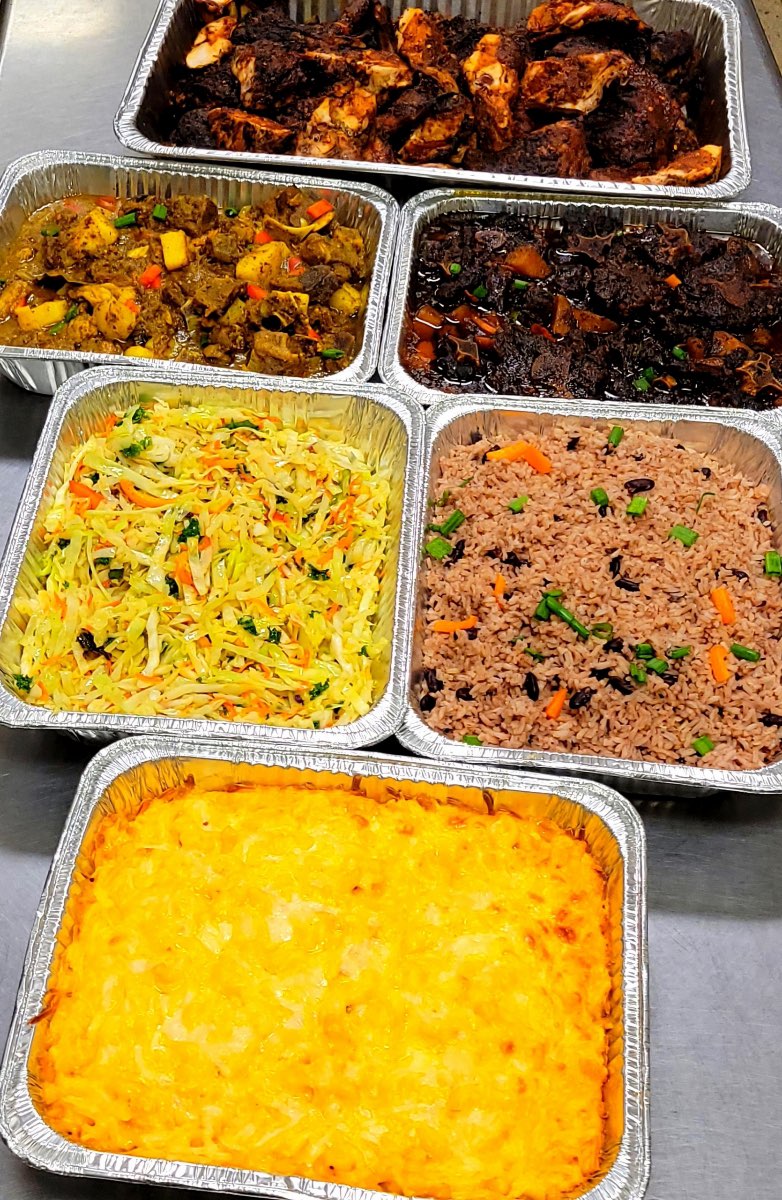
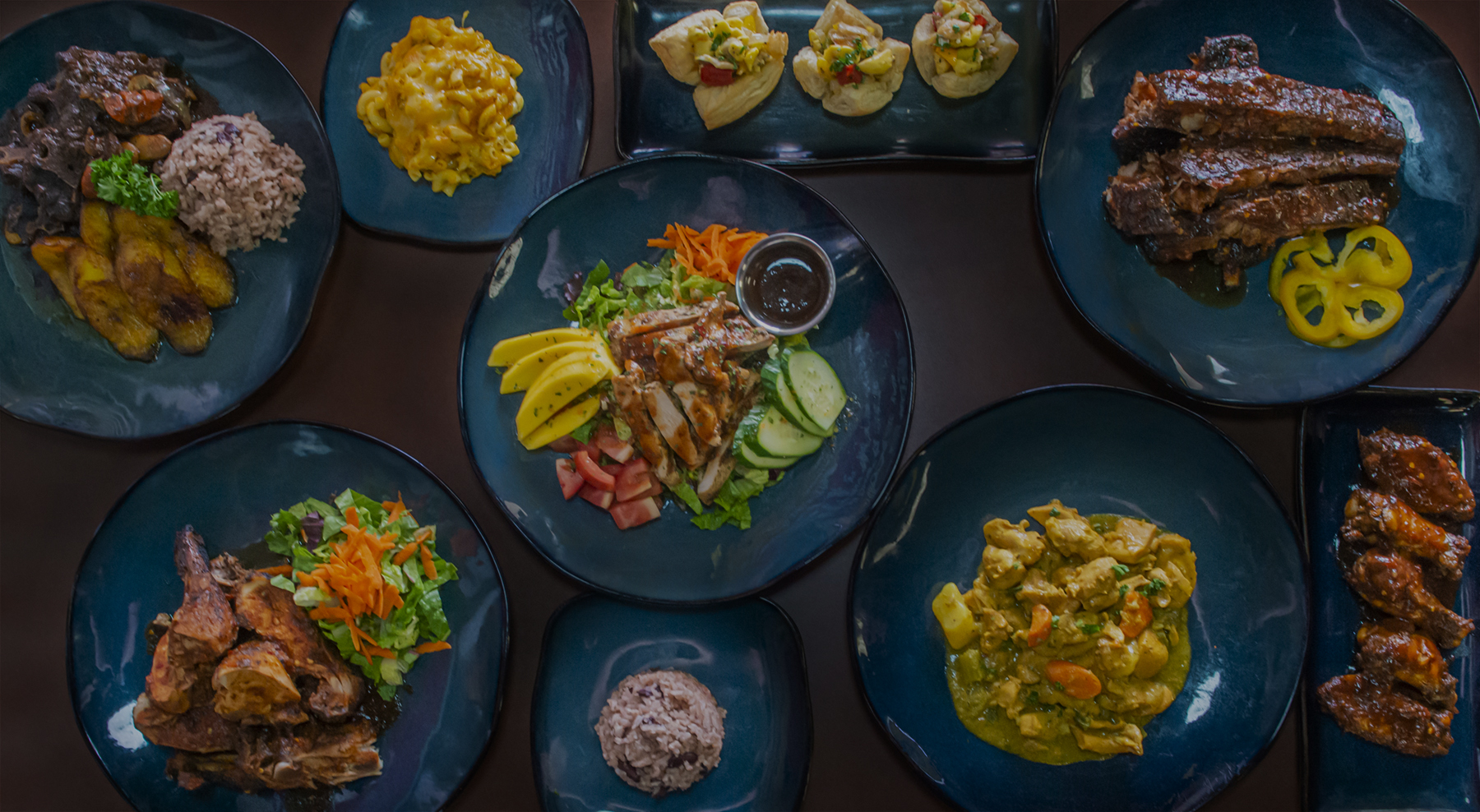
A typical Sunday spread in many Jamaican homes or restaurants illustrates this perfectly. There may be rice and peas, a braised meat, a vegetable side, plantain, and perhaps macaroni and cheese depending on the household. The combinations matter, but so does the scene around them. People compare one cook’s oxtail to another’s. They judge whether the gravy is too sweet, whether the peas are soft enough, whether the chicken has enough browning. These are not trivial debates. They are signs of standards being kept alive.
Food stalls and cookshops preserve this communal energy too. A roadside jerk pan, a patty shop, or a small lunch counter often gives you more than a meal. You get conversation, local opinion, jokes, and unsolicited advice on what to order next time. That atmosphere deepens affection for the cuisine. People remember how the food made them feel, not only how it tasted.
Signature dishes that keep proving their worth
Some dishes remain beloved because they meet people at different moments. A patty is portable and comforting. A full breakfast of ackee and saltfish with boiled green banana and fried dumpling feels grounding. Soup can restore. Jerk can electrify a gathering. The breadth of traditional Jamaican food helps it stay relevant.
A few dishes repeatedly convert first-time eaters into devoted fans:
- Jerk chicken or pork, for smoke, spice, and unmistakable aroma
- Ackee and saltfish, for contrast between soft, savory, and briny elements
- Curry goat, for tenderness and deep spice
- Oxtail, for richness and gelatinous body when cooked patiently
- Escovitch fish, for the sharp, bright hit of pickled vegetables over crisp fish
What unites these dishes is not only flavor, but identity. None of them feels generic when prepared well. They carry a point of view.
Patty culture deserves special mention. The Jamaican patty may look simple from the outside, but it embodies many of the cuisine’s strengths. The pastry should be flaky, lightly stained with turmeric or curry, and sturdy enough to hold a moist filling without collapsing. The filling, whether beef, chicken, vegetable, lobster, or soy, should be well seasoned and not watery. Eaten alone, with coco bread, or alongside a cold drink, the patty shows how traditional food can be accessible without losing character.
Traditional does not mean frozen in time
There is a common mistake people make when discussing heritage cuisines. They imagine that “traditional” means static. Jamaican food has never been static. It has always adapted. The better question is whether change respects the logic of the cuisine.
That distinction matters. Some updates work beautifully. Lighter handling of oil, better sourcing of meat, sharper produce, or more careful grilling can improve a dish without stripping its soul. Vegetarian and vegan versions of Jamaican staples can also succeed when they preserve seasoning principles and textural contrast. Ital cooking within Rastafarian tradition has long shown that plant-based Jamaican food can be profound, not merely a substitute for something else.
Other changes feel more cosmetic. A jerk glaze on an unrelated dish may borrow the name without carrying the method or balance that makes jerk meaningful. Ackee transformed into a novelty canapé can amuse for a night, but it rarely replaces the emotional satisfaction of the original breakfast plate. Fusion has value, but only when it is grounded in understanding rather than branding.
Traditional Jamaican food wins hearts partly because it resists being flattened into trend language. It can evolve, but it does not need to reinvent itself every season to stay relevant.
Why the food satisfies across generations
Children often meet Jamaican food through texture and comfort first. Soft rice, sweet plantain, fried dumplings, mild stew gravy, soup with dumplings, or a warm patty after school can create early attachment. Adults return to the same foods for different reasons. They may crave the depth of seasoning, the memory of family meals, or the sense of being properly nourished.
Older generations tend to value dishes that younger diners sometimes overlook at first, such as cow foot, liver, salt mackerel, boiled food, or certain soups. Yet many younger eaters come around once they taste these dishes prepared by someone who knows exactly what they are doing. The issue is rarely the dish itself. It is often poor execution or unfamiliarity.
That generational range gives Jamaican food unusual durability. It offers gateway dishes for the curious and deeper cuts for those who stay long enough to learn.
I have seen this in restaurants where first-time visitors order jerk chicken because it is recognizable, then return later for stew peas, snapper, or callaloo after watching what regulars are eating. The cuisine reveals itself gradually. That is one reason loyalty runs deep. The more people explore, the more the cuisine gives back.
The details people remember
When people talk about a memorable Jamaican meal, they often recall surprisingly specific things. The scent of pimento wood near a jerk stand. The exact softness of a boiled dumpling in soup. The vinegar bite in escovitch vegetables. The way gravy soaked into rice without drowning it. The sound of a cook chopping bones through goat pieces on a thick board. The foil packet opened at a roadside stall, releasing steam scented with thyme and pepper.
These details matter because traditional Jamaican food is sensory in a complete way. It is not engineered to photograph better than it tastes. It tends to be aromatic, textural, and filling in person, which explains why people become attached after eating it live, hot, and properly prepared.
The practical side of preparation contributes to this too. Fire matters. So does vessel size, marinating time, resting time, and whether a dish is served immediately or held too long. Rice and peas made fresh has a different life from rice left too long in a steam table. Fried fish crisped to order differs from fish waiting under a warmer. Jerk taken straight from the drum or pit tells a different story than reheated jerk from a tray. Jamaican food can travel reasonably well, but many dishes reveal their full power when served with attention to timing.
What outsiders sometimes misunderstand
For people new to Jamaican food, a few misunderstandings can get in the way of appreciation. The first is assuming all Jamaican dishes are aggressively spicy. They are not. Scotch bonnet is important, but heat is only one part of the flavor structure. Many dishes are aromatic and savory more than hot.
The second is reducing the cuisine to a handful of famous exports. Jerk, patties, and oxtail are important, but they are not the whole story. There is an entire domestic repertoire of porridges, soups, seafood preparations, ground provisions, stews, and vegetable dishes that reveal the range of the cuisine.
The third is expecting every cook to produce the same version of a dish. Traditional food often has household variation. One person’s stew peas may be thicker, smokier, or more herbaceous than another’s. One cook’s fried dumpling may be denser and more bread-like, another’s lighter and crisper. Variation is not always a flaw. Sometimes it is the mark of a living cuisine.
If someone wants to understand Jamaican food beyond the surface, a better approach helps:
- Try the food in more than one setting, such as a family-run restaurant, a cookshop, and a formal dining room
- Order beyond the most famous dish
- Pay attention to sides, they often reveal a cook’s standards
- Ask how a dish is usually eaten at home
- Notice balance, not just spice level
That kind of attention tends to reward the eater quickly.
Why it still matters now
Traditional Jamaican food continues to win hearts because it answers needs that have not gone away. People still want meals that taste of somewhere real. They still want food made with confidence rather than apology. They still respond to dishes that carry family memory, practical wisdom, and a distinct sense of place.
There is also a quiet lesson in Jamaican cooking that feels increasingly valuable. Great food does not require luxury ingredients or complicated presentation. It requires understanding. A pot of red peas soup, a well-made plate of ackee and saltfish, or a piece of fish escovitched properly can outperform far more expensive meals because the cooking is rooted in judgment and care.
That is why traditional Jamaican food keeps its hold. It gives pleasure immediately, but it also offers something deeper, a feeling of continuity. You taste craft, adaptation, history, and hospitality at once. Plenty of cuisines can impress. Jamaican food, at its best, does something harder. It makes people want to come back, sit down, and eat again.
Reggae Pot Jamaican Grill
7562 S University Blvd C, Centennial, CO 80122
(303) 997-5623
FAQ About jamaican food
What is the best Jamaican food to try in Centennial?
The best choice depends on your preferences. Reggae Pot Jamaican Grill offers jerk chicken, curry goat, oxtail, and escovitch snapper, along with sides such as rice and peas and fried plantains. Ask the restaurant about current availability and spice levels before ordering.
Is Jamaican food very spicy in Centennial?
Heat varies by dish and preparation. Jerk dishes can be hot, while some stews and sides are milder. Tell the restaurant your preferred heat level and ask which options suit you.
What is typically on a Jamaican menu?
Common choices include jerk chicken, curries, oxtail, fish, patties, rice and peas, and plantains. Reggae Pot also lists ackee and saltfish and vegetable dishes. Menus and availability can change, so confirm your choices when ordering.